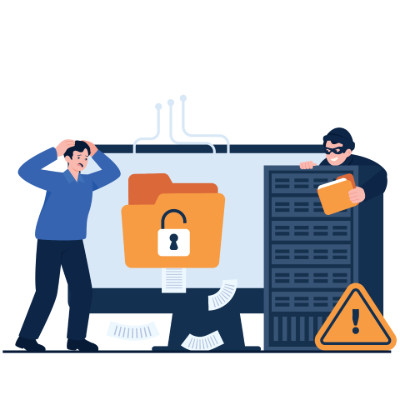

If your IT strategy relies on waiting for things to break before fixing them, you are likely operating on borrowed time. Network maintenance is often treated as an afterthought, leaving servers prone to hardware fatigue, backups unverified, and firewalls exposed through outdated firmware.

Remember 2017? If a company breathed the word blockchain in a press release, its stock price pulled a vertical climb. It was the ultimate architectural silver bullet—the decentralized cure for everything from global logistics to your morning coffee’s carbon footprint.
In the frantic dash to deploy generative AI and predictive analytics, most leaders obsess over the glamour work: picking the right LLM, tweaking hyperparameters, or polishing the UI.
But beneath the hood, a gritty, structural reality is causing high-budget projects to stall out before they even leave the garage: Data Silos.
If you still view your IT department as a mere secondary expense, you are likely overlooking the most significant threat to your company's profitability. In today’s landscape, digital infrastructure isn't just a static utility; it is the very plumbing of your revenue. It functions as either a reinforced vault protecting your hard-earned gains or a porous sieve where your margins quietly drain away. To truly safeguard your legacy, you must look past the technical jargon and recognize a fundamental truth: cybersecurity isn't a tech problem relegated to a basement office—it is a direct and measurable pillar of your financial stability.
For a non-technical business owner, technology is often viewed as a necessary burden. It’s a series of monthly subscriptions and hardware invoices that seem to get larger and larger every year. The reality, however, is technology is how work gets done in your business.